10 Drawing Ideas with Pencil (For Beginners and Hobby Artists)
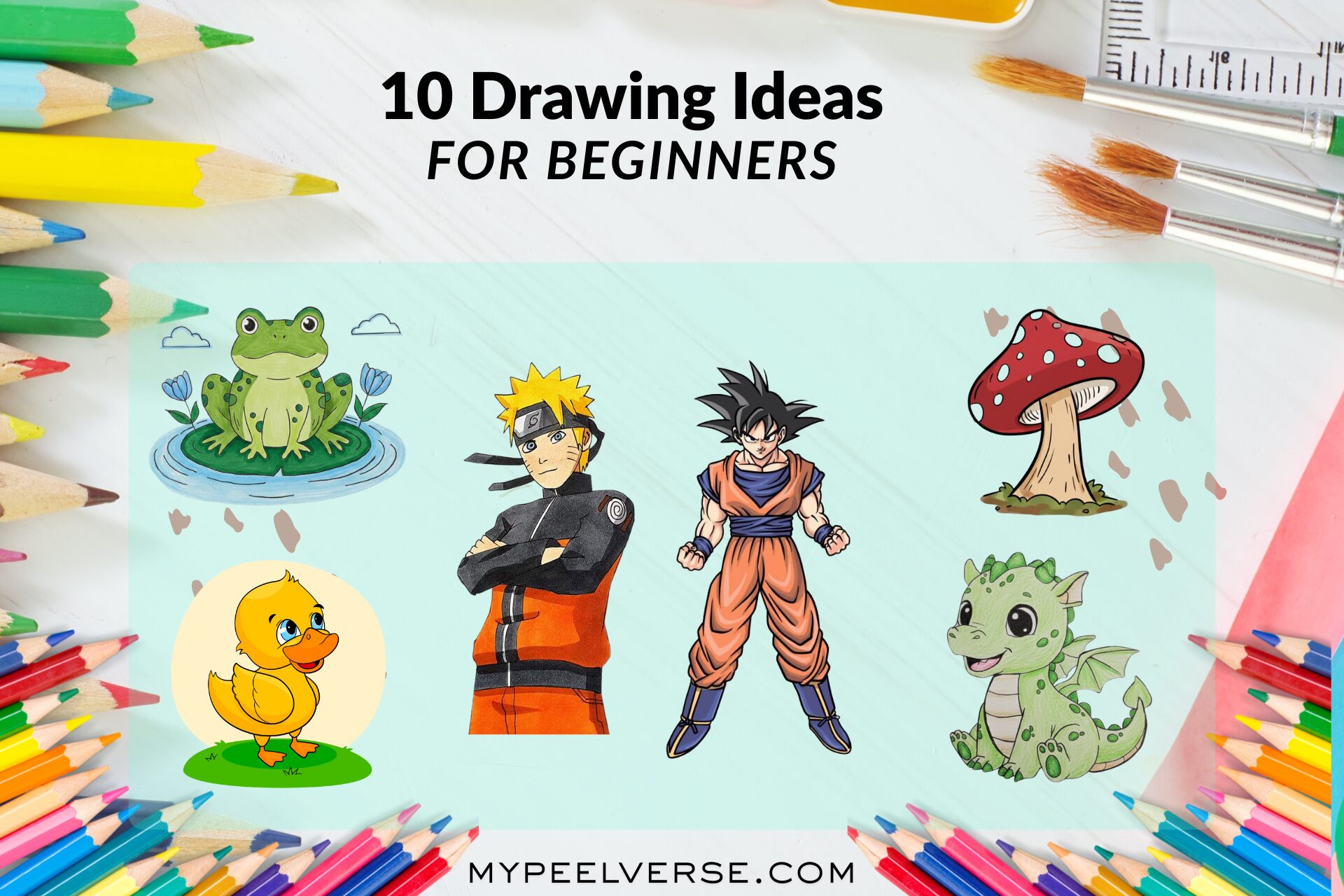
Picking up a pencil can be as intimidating as it is exciting. I remember staring at a blank page last summer, unsure whether to attempt a landscape or a cartoon character. By experimenting with a few simple ideas, I discovered the joy of sketching without pressure, gradually building confidence and skill. In this guide, I’ll share 10 pencil drawing ideas that balance nature, fantasy, and pop culture. Each idea includes step notes, practical tips, and links to more detailed guides where you can deepen your practice. Whether you’re a beginner or just looking for relaxing sketch prompts, this collection will inspire you to create and explore.
1. Cute Duck
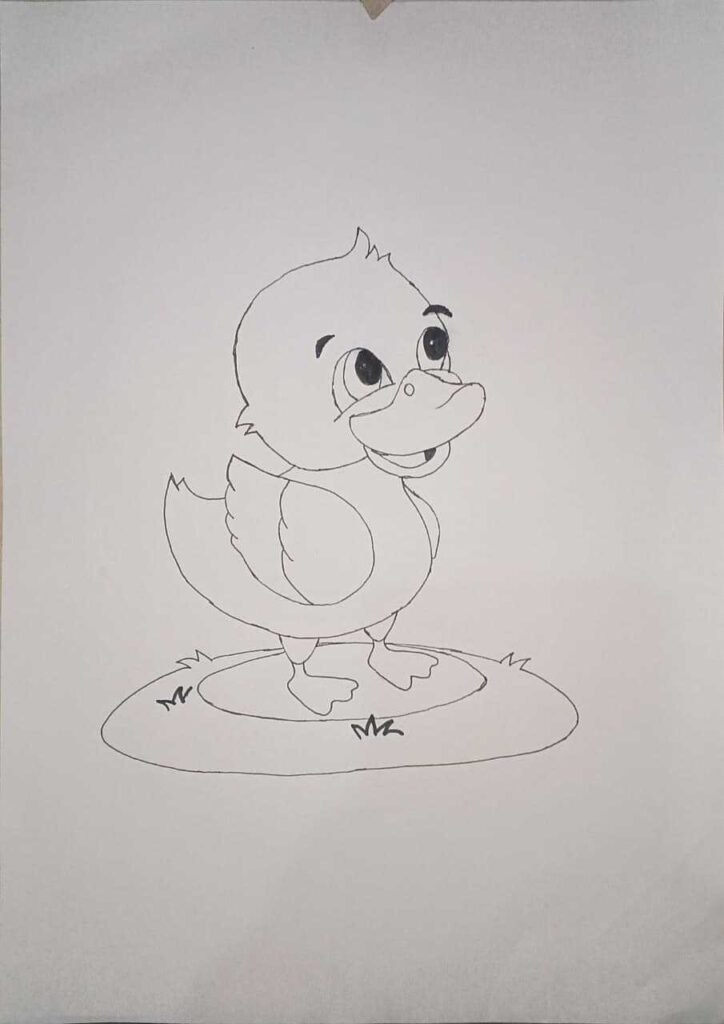
There’s something inherently calming about drawing a duck. Its soft curves and expressive eyes offer an easy entry into shading and volume practice.
Step Notes:
- Start with a simple oval for the body.
- Sketch a smaller circle for the head.
- Outline the beak and add wing details.
- Use gentle shading to suggest feather texture.
I once spent an afternoon sketching ducks at a local pond. Watching the light reflect on their wet feathers helped me improve subtle shading techniques. For a detailed walkthrough, check out the Duck Drawing Easy Steps guide.
Pro Tip: Observe real ducks for small details, like the curve of the beak or the subtle reflections on the water.
2. Frog
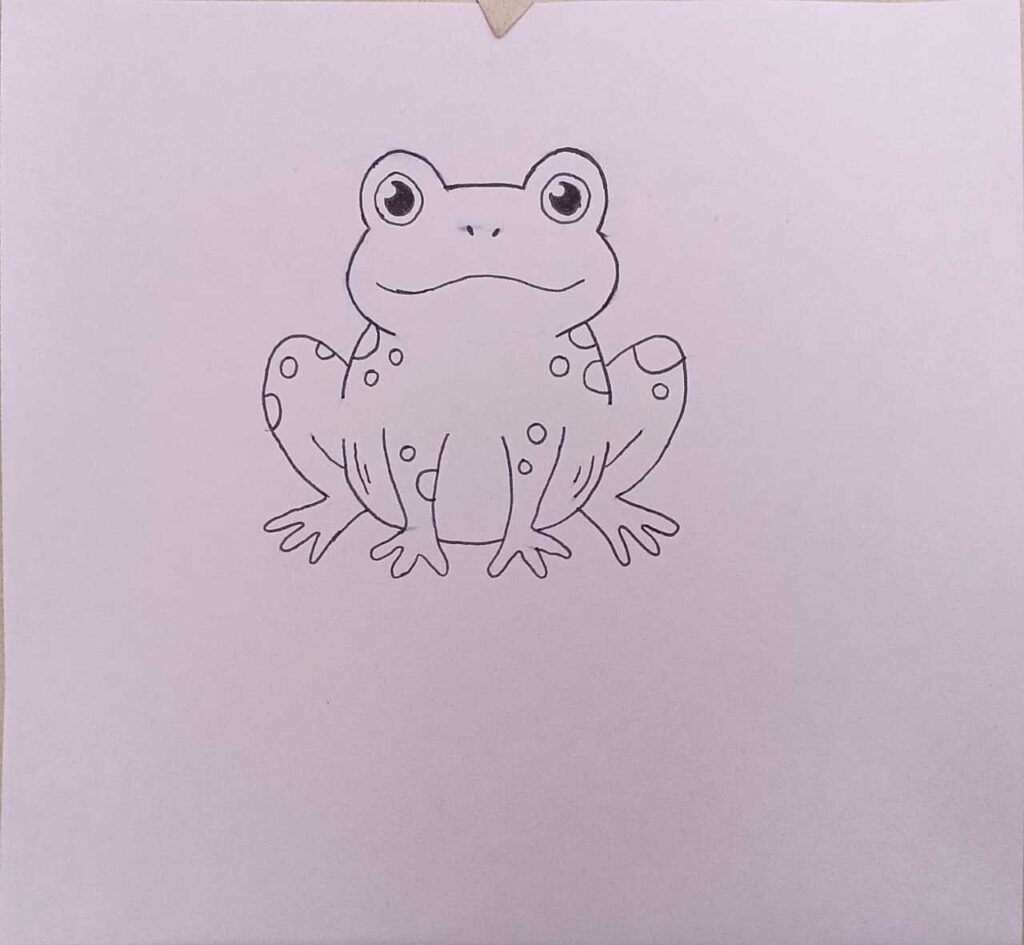
Frogs are excellent for practicing proportions, limbs, and textures. Their round bodies and long legs make them surprisingly approachable.
Step Notes:
- Draw the body using an oval shape.
- Add the legs using simple lines and circles for joints.
- Sketch big, expressive eyes.
- Shade smoothly to create a soft, realistic skin texture.
I experimented with drawing a tree frog once and found that paying attention to its unique patterns made the sketch come alive. Dive deeper into techniques with the Cute Frog Drawings Beginner’s Guide.
Pro Tip: Reference photos are invaluable for getting posture and proportions right.
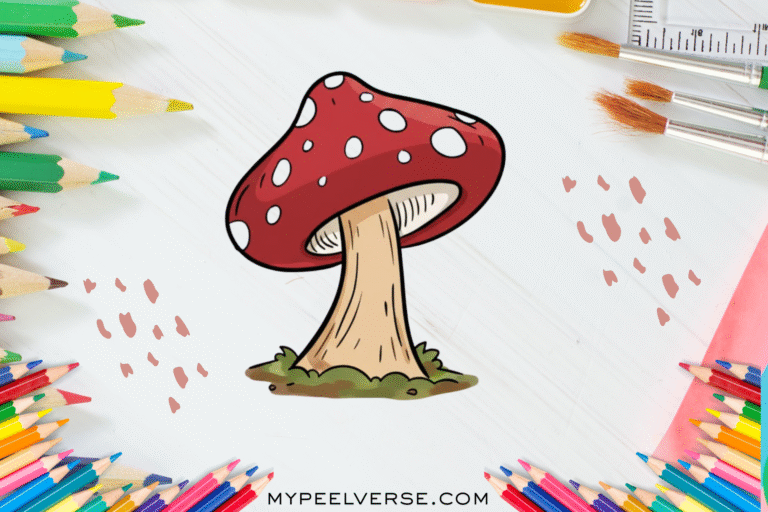
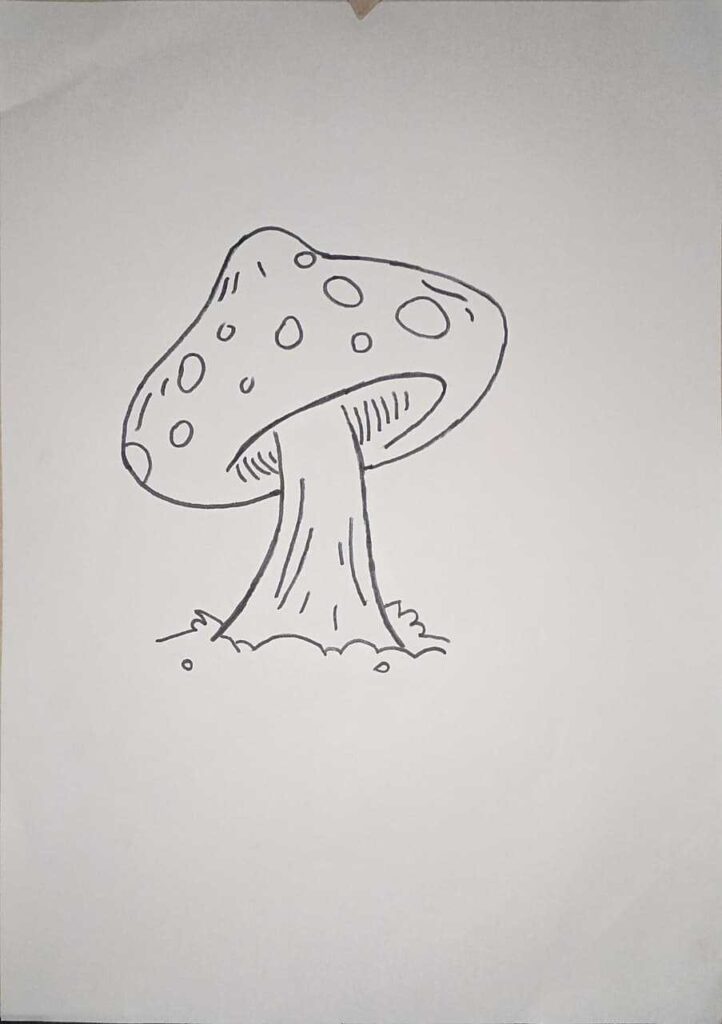
3. Mushroom
Mushrooms are perfect for texture and pattern practice, especially if you enjoy subtle details.
Step Notes:
- Start with a semicircle for the cap.
- Add a cylindrical stem.
- Sketch gills under the cap using thin lines.
- Shade gradually to suggest curvature and shadow.
Last fall, I drew a cluster of mushrooms from my backyard. Experimenting with cross-hatching on the gills helped me understand light and shadow better. For a full step-by-step, visit the Mushroom Drawing Guide.
Pro Tip: Try using a blending stump to soften shading on the cap.
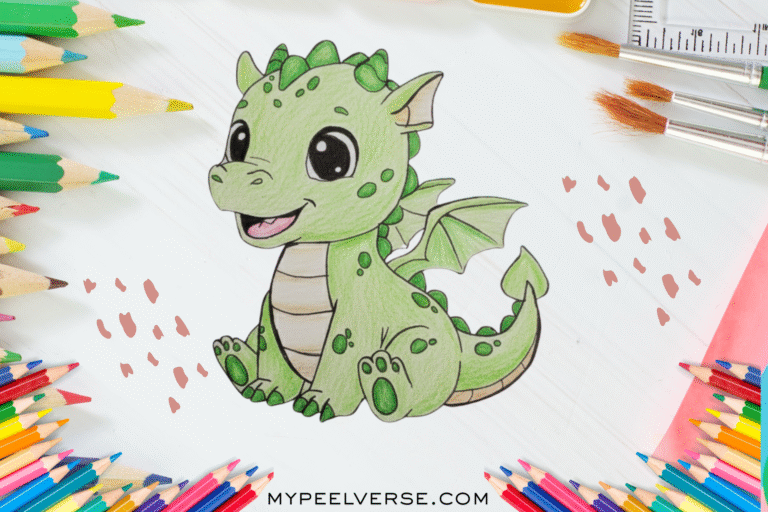
4. Dragon
Fantasy creatures like dragons allow you to explore dynamic poses, scales, and imaginative anatomy.
Step Notes:
- Sketch a rough body shape using elongated ovals.
- Outline wings, tail, and head separately.
- Add scale details, horns, and claws.
- Shade strategically for depth and dimension.
I remember my first dragon sketch from three years ago — it looked awkward at first, but practicing small sections (like wings and claws) taught me patience and precision. For a beginner-friendly approach, check out Dragon Drawing Easy.
Image Placeholder: Insert dragon sketch here
Pro Tip: Observe reptile textures in real life to make scales more realistic.
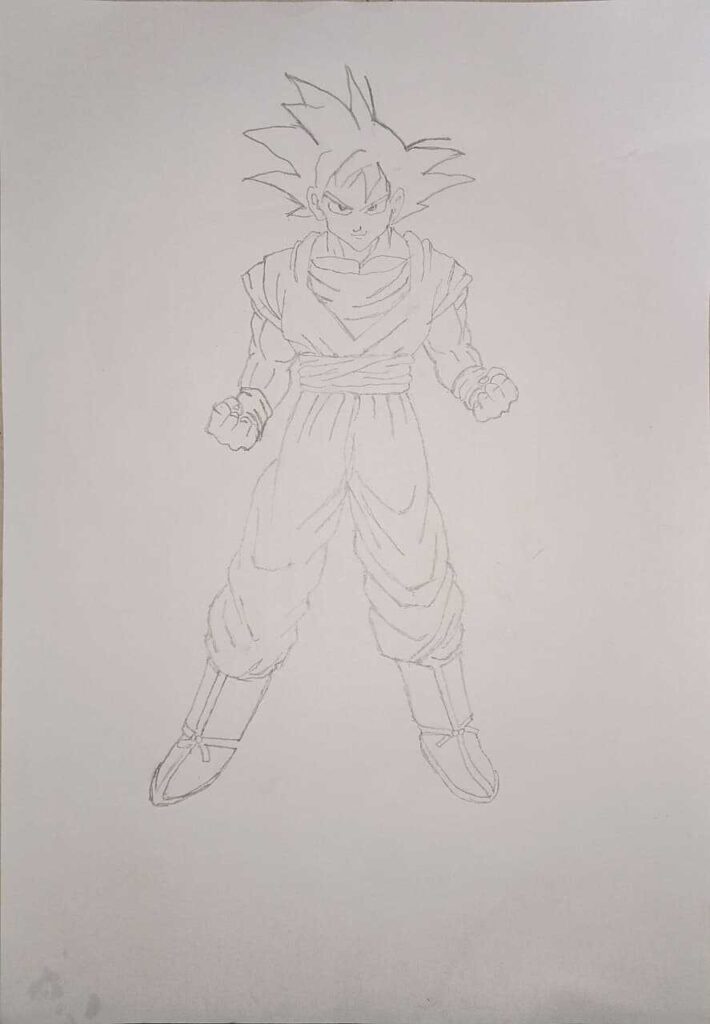
5. Goku (Base Form)
Drawing iconic characters like Goku is rewarding for proportions and dynamic pose practice.
Step Notes:
- Start with a stick figure for pose reference.
- Sketch the body using geometric shapes.
- Outline spiky hair, face, and clothing folds.
- Add shading to enhance depth.
I tried drawing Goku last winter, and the first attempt was stiff. Breaking down the pose into smaller shapes made a huge difference. Learn more in the How to Draw Goku Base Form Step-by-Step Guide.
Pro Tip: Keep initial lines light so corrections are easier.
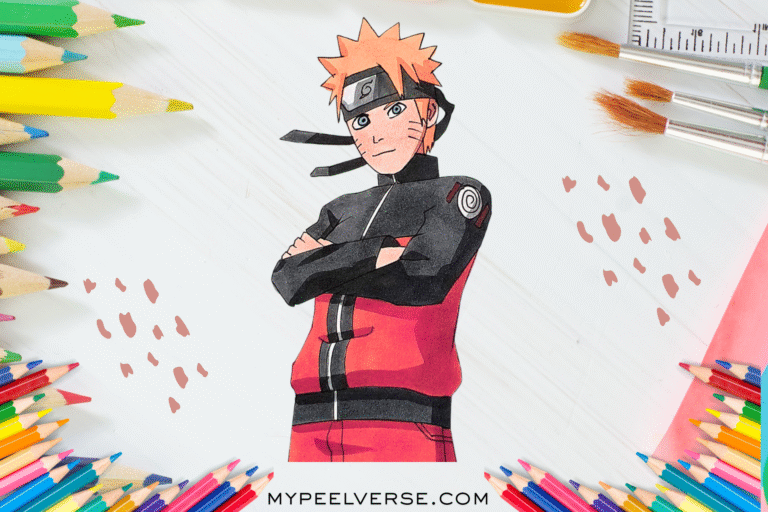
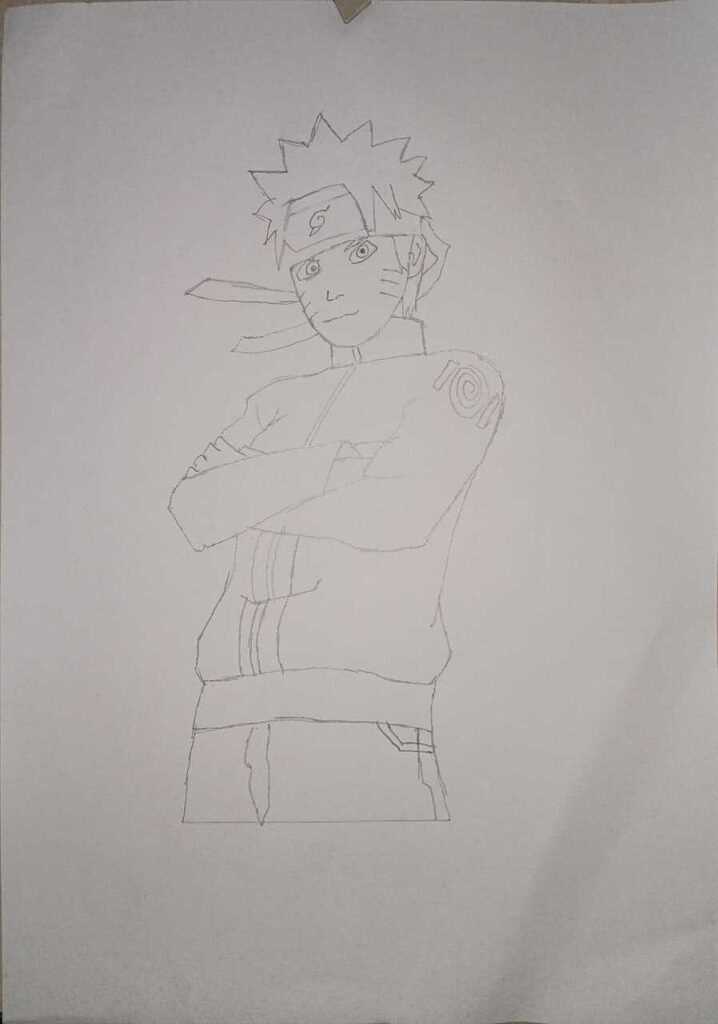
6. Naruto Uzumaki
Naruto’s energetic pose and detailed clothing make him excellent for movement, hair, and costume practice.
Step Notes:
- Begin with stick figure pose to capture action.
- Sketch basic body shapes and hair spikes.
- Add headband, clothing folds, and ninja accessories.
- Shade strategically to add dimension.
When I drew Naruto for the first time, I focused on hair flow—it taught me a lot about rhythm and direction in sketching. For full instructions, check How to Draw Naruto Uzumaki Step-by-Step Guide.
Pro Tip: Study reference images to ensure authentic ninja posture.
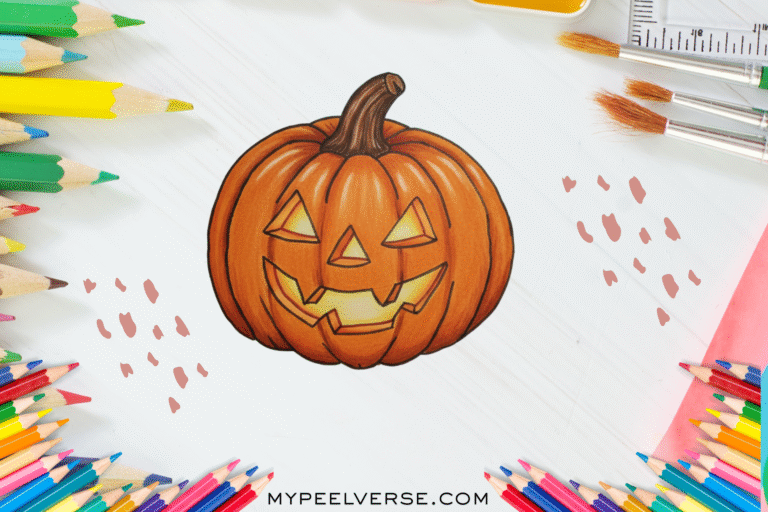
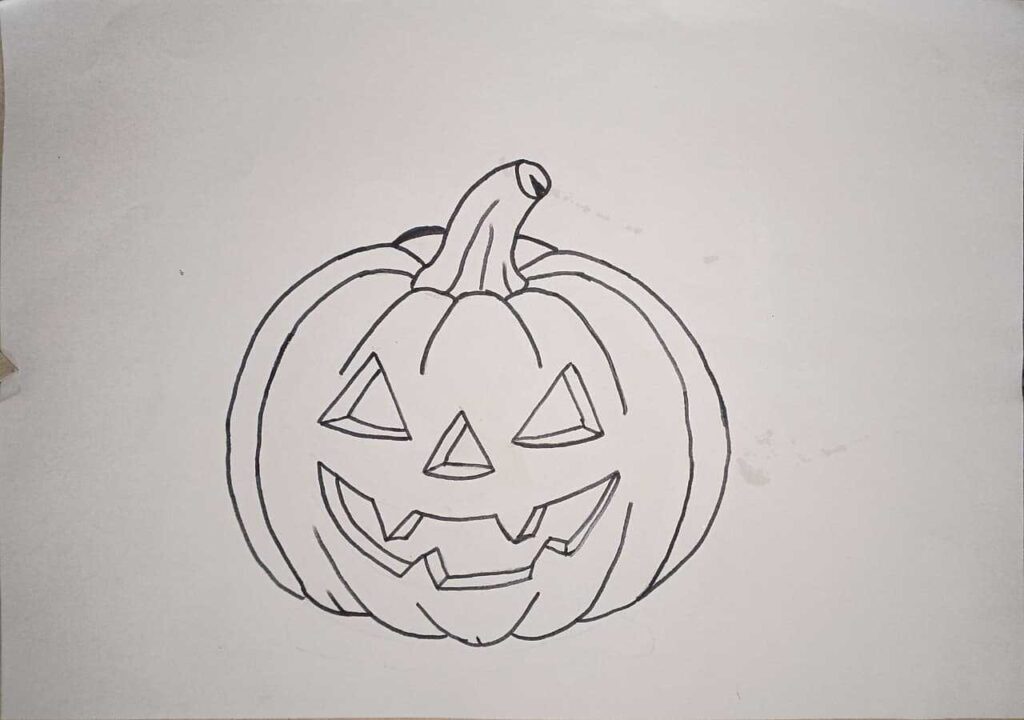
7. Jack O’Lantern
Perfect for seasonal practice, Jack O’Lanterns combine shapes, expressions, and shading.
Step Notes:
- Draw a rounded pumpkin shape.
- Carve expressive eyes and mouth shapes.
- Add stem and minor details like ridges.
- Shade to enhance the illusion of depth.
I sketched a Halloween pumpkin last October and enjoyed experimenting with shadow inside the carved areas. Learn more in Jack O’Lantern Drawing Guide.
Pro Tip: Use directional shading to make carved features pop.
8. Nature Scene
Combining trees, rocks, and small animals teaches composition, depth, and layering.
Step Notes:
- Sketch horizon and main focal point.
- Add foreground details like rocks, grass, or a small pond.
- Include animals or plants for interest.
- Shade in layers to suggest perspective.
Drawing a small woodland scene inspired by a park visit helped me practice foreground vs. background shading.

Image credit:Freepik
Pro Tip: Start with light outlines to adjust composition easily.
Conclusion
These 10 pencil drawing ideas offer a mix of animals, nature, fantasy, and pop culture. Each project builds a different skill, from shading and proportions to composition and imagination. Pick one today, follow the steps, and notice how small, consistent practice leads to noticeable improvement.
Which drawing are you excited to try first? Share your sketch journey and explore deeper tutorials through the linked guides above. Creativity grows when you pick up a pencil—and this is your invitation to start today.